Sponsored by www.ubeeu.co
#skincare, #allnatural, #beautyproducts, #Hazelcollectionpro
Why Vegan Skincare Works Better for Hormonal Skin
An Evidence‑Based Guide for Women Navigating Perimenopause, Menopause, Postpartum Changes, and Hormonal Imbalance
If your skin has felt unpredictable lately — suddenly dry, then oily, breaking out like a teenager, or reacting to products it used to love — your hormones are likely the culprit. And the skincare routine that worked for you at 30 may be actively working against you now.
The good news? Vegan skincare is uniquely positioned to support hormonal skin, and the science behind why is more compelling than most people realize. As research continues to uncover the impact of endocrine disruptors, inflammation, and lipid imbalance on hormonally shifting skin, plant‑based formulations are emerging as the safest and most biologically compatible option.
What Hormonal Skin Actually Looks Like
Hormonal fluctuations — whether from perimenopause, menopause, postpartum recovery, thyroid changes, PCOS, or monthly cycles — affect the skin in predictable, research‑supported ways:
- Estrogen decline reduces collagen production, skin thickness, and natural oil output, leading to dryness, fine lines, and a weakened moisture barrier. Frontiers
- Progesterone fluctuations can trigger excess sebum production, causing breakouts even in women who never had acne in their 20s.
- Cortisol spikes (stress hormone) increase inflammation, worsening redness, sensitivity, rosacea, and eczema.
- Testosterone imbalances stimulate oil glands, contributing to clogged pores and hormonal acne along the jawline and chin.
The result? Skin that feels contradictory — dry and oily at the same time, sensitive yet breakout‑prone, aging faster than expected. And unfortunately, many standard skincare products make this worse.
Why Conventional Skincare Fails Hormonal Skin
Most mainstream skincare products contain ingredients that directly interfere with hormonal balance or worsen inflammation. Research and regulatory bodies have identified several common cosmetic ingredients as endocrine disruptors — chemicals that mimic or interfere with hormone signaling.
1. Parabens
Used as preservatives, parabens can mimic estrogen in the body and disrupt hormone function. LINNÉ
2. Phthalates (often hidden under “fragrance”)
Linked to hormonal imbalance and reproductive harm, phthalates are among the most concerning cosmetic additives. LINNÉ
3. Synthetic Fragrances
A single “fragrance” label can conceal hundreds of chemicals, many of which are hormone‑disrupting. LINNÉ
4. Triclosan
An antimicrobial agent shown to interfere with thyroid function and hormone signaling. LINNÉ
5. Oxybenzone (chemical sunscreen)
Absorbed into the bloodstream and linked to hormone disruption. LINNÉ
6. Harsh surfactants like SLS
These strip the skin barrier, triggering inflammation — a major issue for hormonally reactive skin.
7. Mineral oil and petrolatum
Petroleum‑derived occlusives that can clog pores and may mimic estrogenic activity.
When your skin is already navigating hormonal chaos, adding endocrine disruptors is like pouring fuel on a fire. This is why so many women find that their long‑trusted products suddenly stop working in their 40s and 50s.
How Vegan Skincare Works Differently
Vegan skincare eliminates animal‑derived ingredients and, when formulated with integrity, replaces synthetic chemicals with plant‑based alternatives that work with your skin’s biology rather than against it.
1. Plant-Based Oils Mirror Your Skin’s Natural Lipids
Botanical oils — such as rosehip, jojoba, marula, and squalane derived from olives — have molecular structures similar to the skin’s own sebum. This allows them to:
- absorb more readily
- balance oil production
- reinforce the moisture barrier
- support elasticity and firmness
Research on plant‑based phytochemicals shows they help maintain structural integrity, reduce oxidative stress, and support barrier repair. Springer
Animal‑derived alternatives like lanolin or shark‑derived squalene do not offer the same biocompatibility and may cause irritation in hormonally sensitive skin.
2. Botanical Actives Calm Inflammation Naturally
Hormonal skin is inflamed skin. Plant‑derived anti‑inflammatories — such as chamomile, green tea extract, calendula, aloe vera, and turmeric — soothe redness and sensitivity without the side effects of synthetic agents.
Scientific reviews confirm that botanical bioactive metabolites reduce inflammation, neutralize free radicals, and slow visible signs of aging. Frontiers
This is critical because hormonal fluctuations increase inflammatory responses, making skin more reactive week to week.
3. No Endocrine Disruptors
A truly clean vegan formulation is free from:
- parabens
- phthalates
- synthetic fragrances
- triclosan
- oxybenzone
These are the five most common hormone disruptors in conventional skincare. Clean beauty research emphasizes that hormone‑safe skincare avoids these chemicals entirely and replaces them with plant‑based bioactives and safer preservatives. Stephi LaReine
For women navigating perimenopause or menopause, removing endocrine disruptors is one of the most impactful changes they can make.
4. Gentle, Plant-Based Preservation Systems
Clean vegan skincare uses natural preservation systems such as:
- vitamin E (tocopherol)
- rosemary CO₂ extract
- radish root ferment (Leucidal)
These alternatives provide stability without disrupting hormone function. LINNÉ
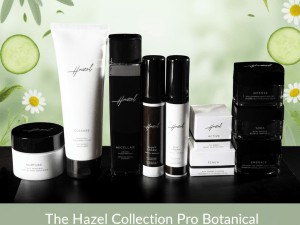
The Hazel Collection Pro Approach to Hormonal Skin
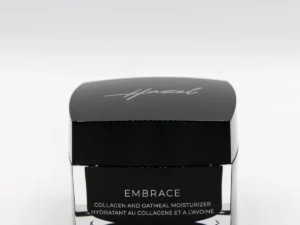
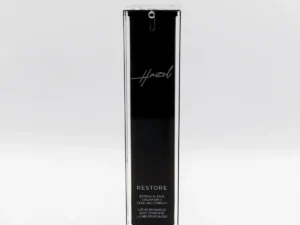
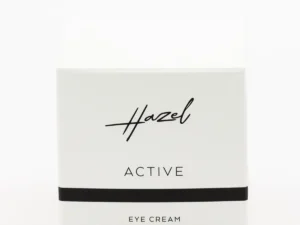
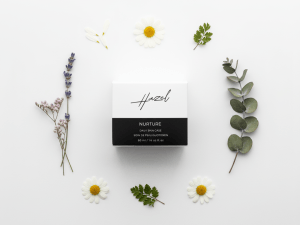
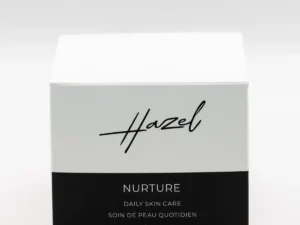
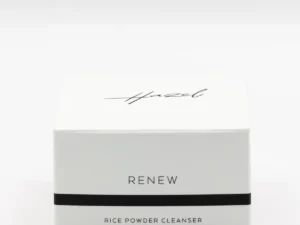
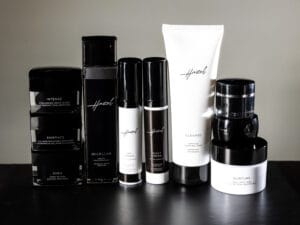
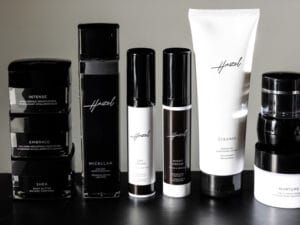
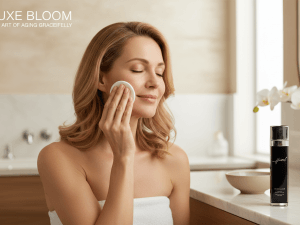
At Hazel Collection Pro, every product is formulated with hormonal skin in mind. Our vegan, halal‑certified formulations are built on three principles:
- No synthetic endocrine disruptors — no parabens, no phthalates, no synthetic fragrance
- Barrier‑first formulation — because a compromised barrier is the root of most hormonal skin issues
- Anti-inflammatory botanicals — chosen specifically to calm the inflammation triggered by hormonal fluctuations
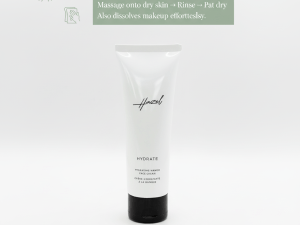
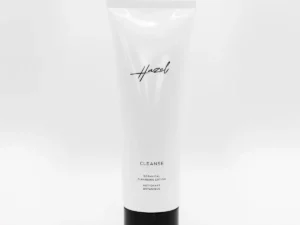
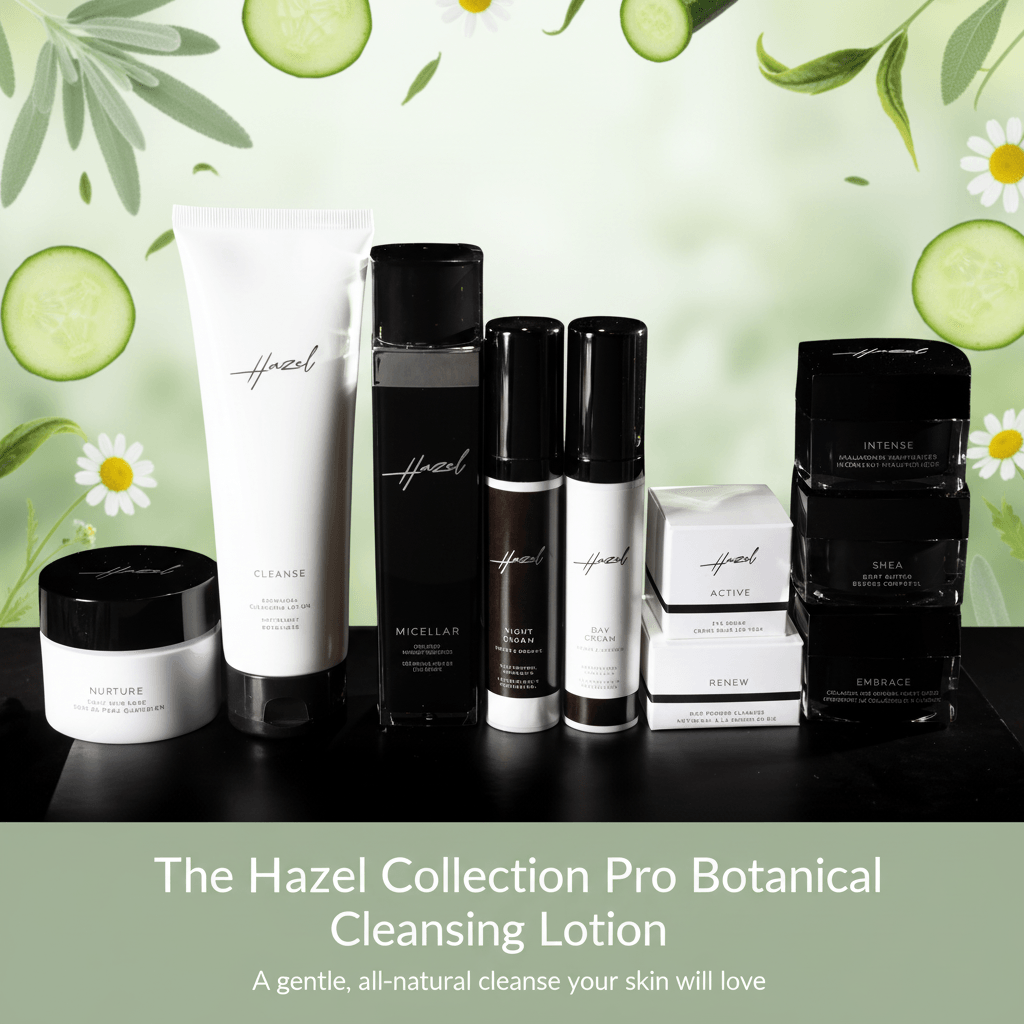
Our Botanical Cleansing Lotion removes impurities without stripping.
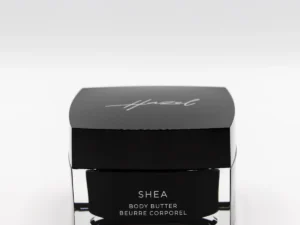
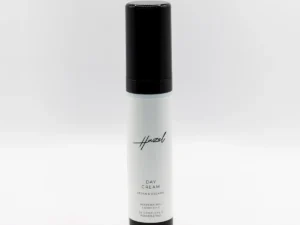
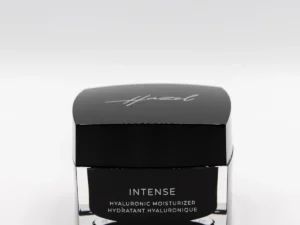
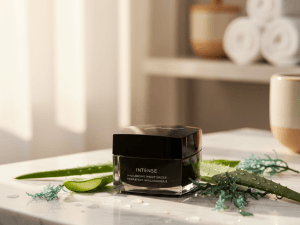
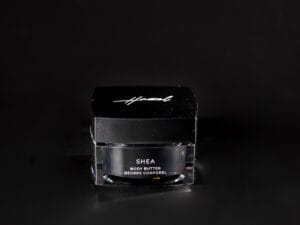
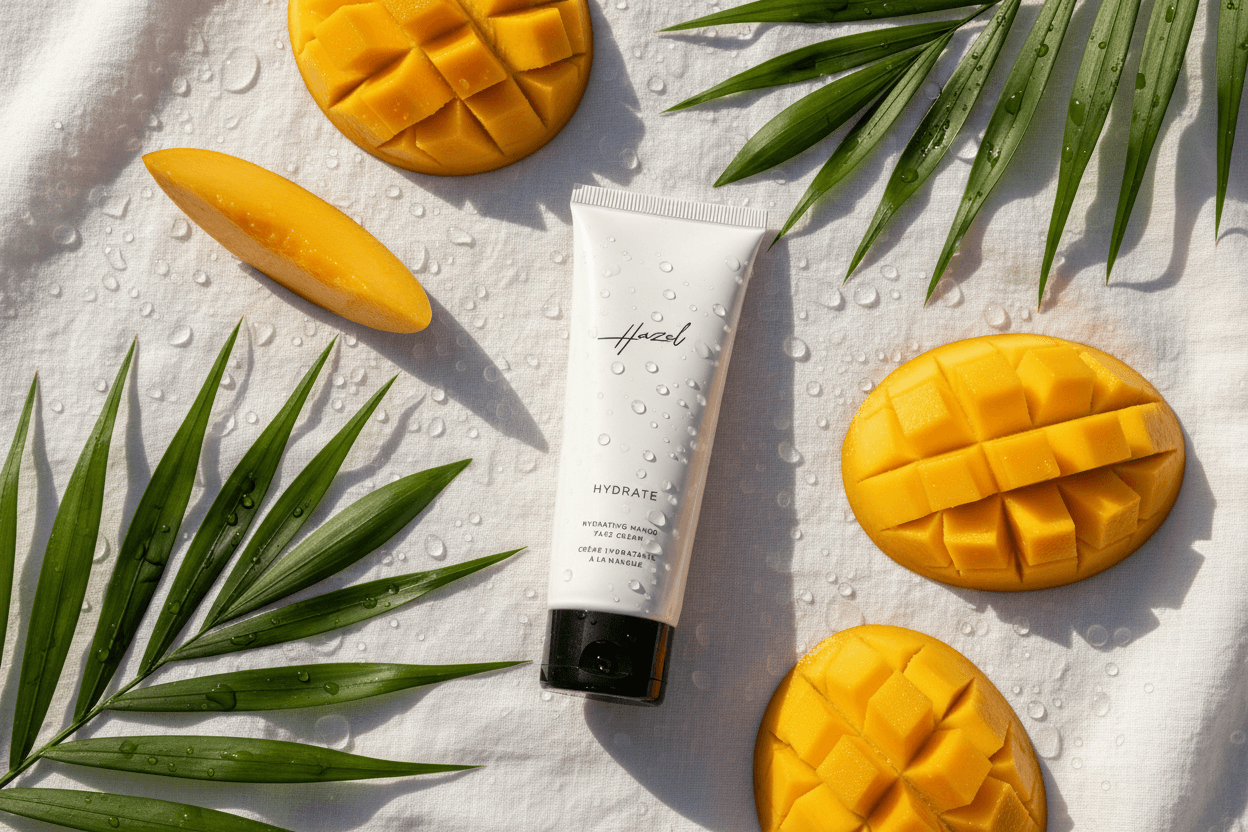
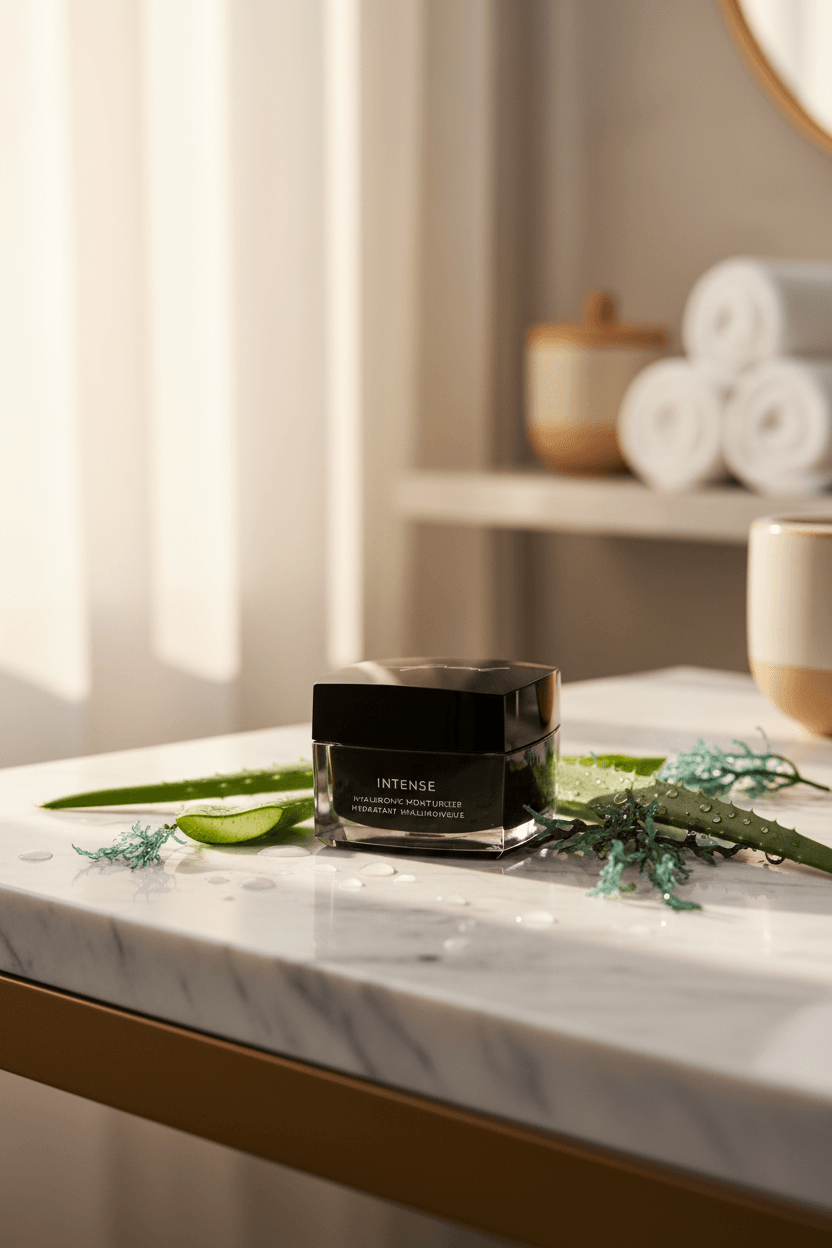
Our moisturizers replenish the lipids that estrogen decline depletes.
Our serums deliver plant‑powered actives that support collagen, elasticity, and barrier repair.
Every product works together as a system designed for skin that’s changing — because yours deserves formulations that change with it.
Building a Vegan Skincare Routine for Hormonal Skin
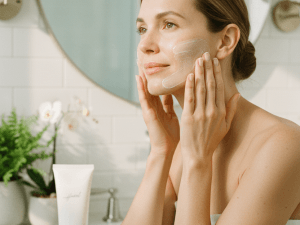
The most effective routine for hormonal skin is simple, consistent, and barrier‑focused.
Morning Routine
- Gentle botanical cleanser — removes overnight buildup without stripping
- Hydrating serum — hyaluronic acid or plant peptides to plump and firm
- Vegan moisturizer — locks in hydration and reinforces the barrier
- SPF 30+ — UV exposure accelerates hormonal aging; this step is non‑negotiable
Evening Routine
- Double cleanse — micellar water + botanical cleanser
- Treatment serum — bakuchiol (plant‑based retinol alternative) or vitamin C
- Rich botanical moisturizer or facial oil — supports overnight barrier repair
Weekly Treatments
- Gentle enzyme exfoliant — supports cell turnover that slows with hormonal changes
- Hydrating botanical mask — ideal for reactive or inflamed weeks
The Bottom Line
Hormonal skin isn’t a problem to be fixed with harsher products or more complicated routines. It’s skin that needs gentler, cleaner, more intelligent formulations — ones that support its biology rather than disrupt it further.
Vegan skincare, when formulated with real botanical integrity, delivers exactly that:
- No endocrine disruptors
- No synthetic irritants
- No petroleum‑derived fillers
- Just plant‑based ingredients that work with your skin’s changing needs — at every hormonal stage of life
Your hormones are doing enough work. Your skincare shouldn’t make their job harder.
Discover Hazel Collection Pro’s full range of vegan, halal‑certified skincare — formulated for skin that deserves better.
References
Springer. The state of the art in anti-aging: plant-based phytochemicals for skin health. Springer
- Frontiers in Pharmacology. Research on the mechanisms of plant bioactive metabolites in anti-skin aging. Frontiers
- Stephi LaReine. Clinical Clean Beauty 2026: Hormone-Safe, Microbiome-Friendly Skincare Trends. Stephi LaReine
- LINNÉ Botanicals. Hormone-Safe Skincare: Clean, Non-Toxic, and Plant-Based Solutions. LINNÉ