Sponsored by www.ubeeu.co
#skincare, Skincare routine, #beautyproducts, #thehazelcollectionpro
For the woman who loves golden hour but wants her skin to love her back.
The Glow We Chase — And What It Really Means
There’s something undeniably beautiful about sun-warmed skin. The warmth, the glow, the effortless radiance after a day outdoors. But beneath that bronzed surface, your skin is quietly working overtime — and not always in your favor.
If you’re in your 20s or early 30s, the effects may feel invisible right now. That’s exactly why this conversation matters.
What UV Radiation Actually Does to Your Skin
The sun emits two types of ultraviolet rays that reach your skin daily:
- UVB rays — responsible for sunburn and surface-level damage
- UVA rays — penetrate deeper into the dermis, breaking down collagen and elastin
According to the Skin Cancer Foundation, UVA rays account for up to 95% of the UV radiation that reaches Earth’s surface — and they pass through clouds and glass, meaning your daily commute counts too (Skin Cancer Foundation, 2023).
The American Academy of Dermatology (AAD) confirms that repeated UV exposure without protection leads to:
- Premature fine lines and wrinkles
- Hyperpigmentation and uneven skin tone
- Loss of skin elasticity
- Increased risk of skin cancer (AAD, 2024)
The Invisible Timeline: What’s Happening Beneath the Surface
Here’s what most people don’t realize: up to 80% of visible facial aging is caused by UV exposure, not the natural aging process — a finding supported by a landmark study published in Clinical, Cosmetic and Investigational Dermatology (Flament et al., 2013).
The damage accumulates silently:
- Days 1–7: Melanin production spikes (that’s your “tan”) as a defense response
- Weeks 2–4: Collagen fibers begin to degrade with repeated exposure
- Months & years: Hyperpigmentation, texture changes, and barrier dysfunction become visible
For women with deeper skin tones, hyperpigmentation and post-inflammatory marks are often the first and most persistent signs — a nuance that mainstream skincare conversations frequently overlook (Journal of the American Academy of Dermatology, 2021).
Your Skin Barrier: The Unsung Hero Under Pressure
UV radiation doesn’t just affect pigment and collagen — it disrupts your skin barrier, the protective layer that keeps moisture in and irritants out.
The National Institutes of Health (NIH) notes that chronic UV exposure compromises the skin’s lipid matrix, leading to increased transepidermal water loss (TEWL), sensitivity, and inflammation (NIH/NLM, 2022).
Signs your barrier may be struggling:
- Tightness or dryness after sun exposure
- Increased sensitivity to products you normally tolerate
- Dull, uneven texture
Recovery & Prevention: What Actually Works
Prevention:
- Broad-spectrum SPF 30+ daily (yes, even indoors near windows)
- Antioxidant-rich skincare — Vitamin C, Vitamin E, and niacinamide neutralize free radical damage triggered by UV exposure (AAD, 2024)
- Protective clothing and shade between 10am–4pm (peak UV hours per WHO UV Index guidelines)
Recovery:
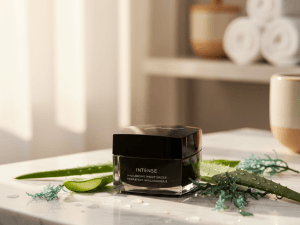
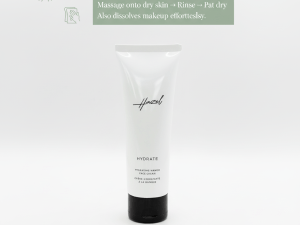
- Hydration-first ingredients: Hyaluronic acid, aloe vera, and ceramides to restore barrier function
- Brightening actives: Niacinamide and natural botanical extracts to address hyperpigmentation
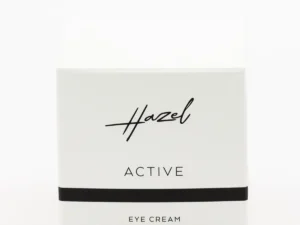
- Eye care: The skin around your eyes is 40% thinner and shows UV damage earliest — targeted eye care is non-negotiable
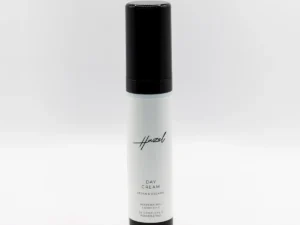
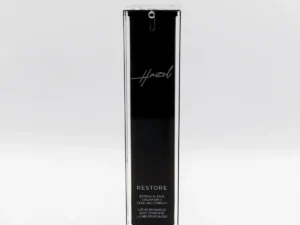
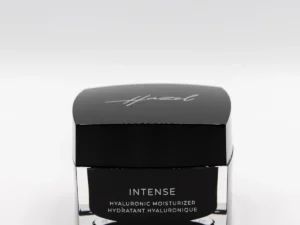
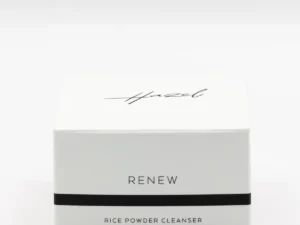
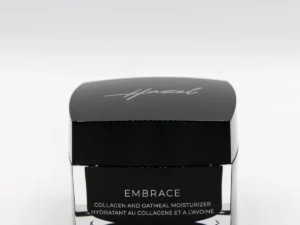
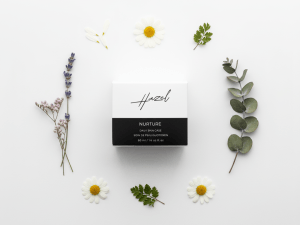
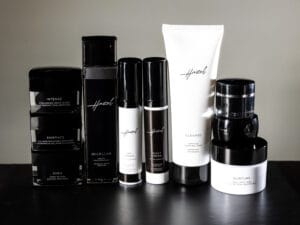
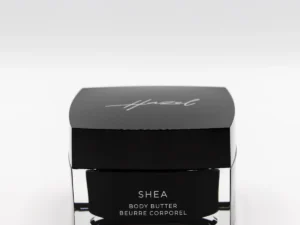
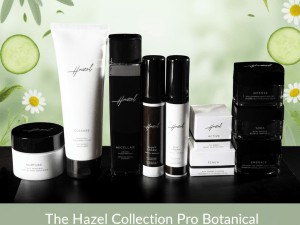
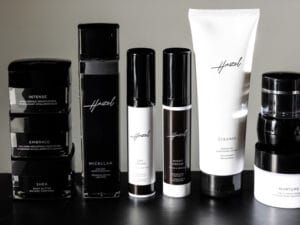
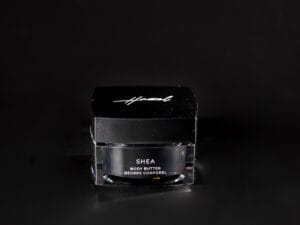
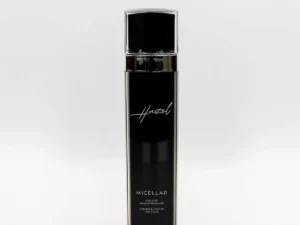
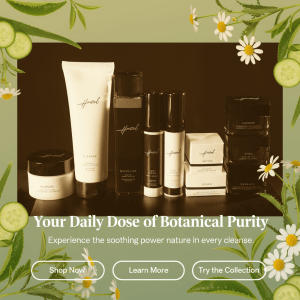
At Hazel Collection, every formula is built around clean, vegan ingredients that work with your skin’s natural recovery process — not against it.
The Bottom Line
Sun exposure is one of life’s genuine pleasures. The goal isn’t to avoid it — it’s to protect your skin so you can enjoy it for decades to come.
Your future self will thank you for starting now.
Watch: Sun Damage & Your Skin
Sources
- American Academy of Dermatology (AAD). Sun damage and your skin. aad.org, 2024.
- Skin Cancer Foundation. UV Radiation & Your Skin. skincancer.org, 2023.
- Flament, F. et al. Facial skin aging and the impact of UV exposure. Clinical, Cosmetic and Investigational Dermatology, 2013.
- Journal of the American Academy of Dermatology. Skin of color and photoaging. 2021.
- National Institutes of Health / National Library of Medicine. UV radiation and skin barrier function. NIH/NLM, 2022.
- World Health Organization. UV Index and sun protection. who.int.