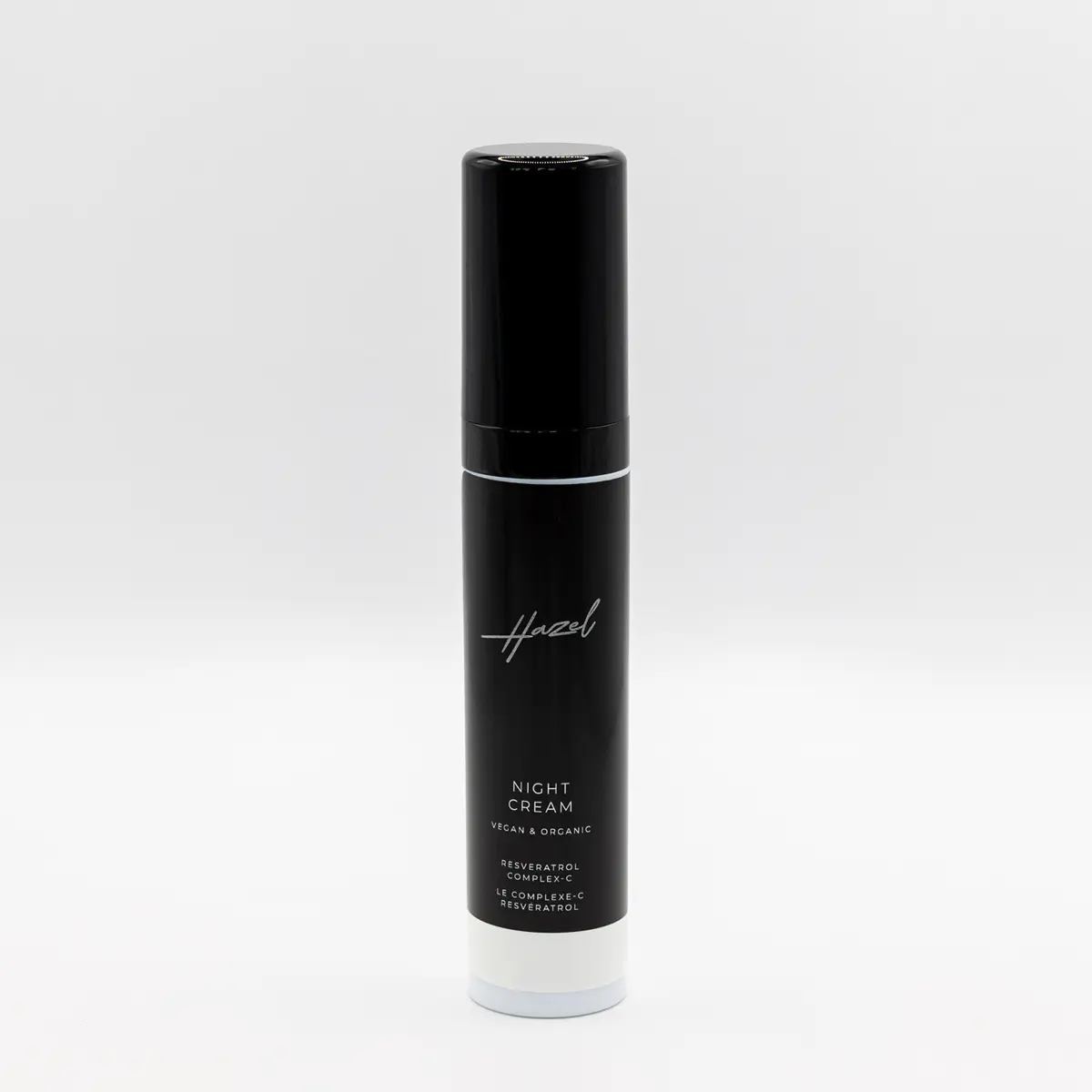


Sponsored by www.ubeeu.co
#allnatural, #cleanbeauty, #beautyproducts
Women ages 18–34 are redefining beauty standards. Today’s early adopters want skincare that is clean, ethical, culturally inclusive, and backed by transparent standards. Understanding the difference between all‑natural and halal‑certified skincare helps you build a routine that supports both your glow and your values.
What “All‑Natural Skincare” Really Means
All‑natural skincare focuses on ingredients derived from nature—ideal for women who want gentle, minimalist, and eco‑friendly beauty.
Key Benefits
- Plant‑based ingredients free from harsh chemicals
- No parabens, sulfates, silicones, or synthetic fragrances
- Minimal processing to preserve nutrients
- Sustainability‑focused formulations
Because “all‑natural” has no universal certification, transparency from brands is essential.
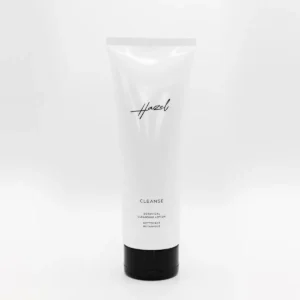
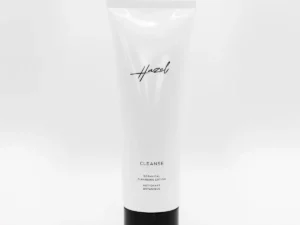
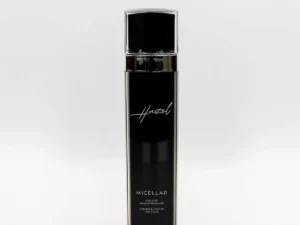
hazel-cleanse-botanical-cleansing-lotion
What Makes Skincare “Halal‑Certified”?
Halal‑certified skincare goes beyond clean beauty by ensuring purity, safety, and ethical integrity from sourcing to manufacturing.
Key Benefits
- No alcohol, pork derivatives, or non‑halal animal by‑products
- Strict hygiene and contamination‑free production
- Ethical sourcing and cruelty‑free standards
- Rigorous third‑party certification
Research shows that consumers—Muslim and non‑Muslim—are increasingly choosing halal cosmetics due to their safety, high quality, and hygienic preparation standards (Subri et al., 2022).
The halal beauty market is also expanding rapidly, driven by demand for ethical, sustainable, and inclusive beauty products (Yaqub, 2024).
Why Early Adopters Love This Combination
Women 18–34 are leading the shift toward clean, conscious, and culturally inclusive beauty. Halal skincare aligns with this movement because it emphasizes:
- Ingredient purity and transparency
- Ethical sourcing and sustainability
- Inclusivity across skin types and cultural backgrounds
Halal beauty is not just about avoiding prohibited ingredients—it’s about embracing purity, ethical production, and environmental responsibility (Rahim Naturals, 2024).
The global halal cosmetics market is also projected to grow significantly, driven by rising consumer awareness and demand for ethical beauty (Technavio forecast cited in Eng Kah, 2025).
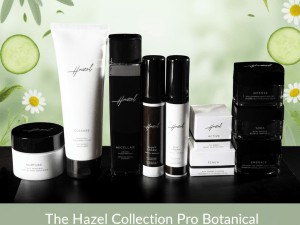
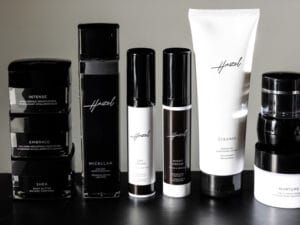
Elevate Your Routine with Hazel Collection Pro
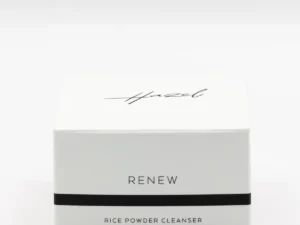
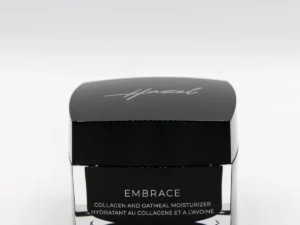
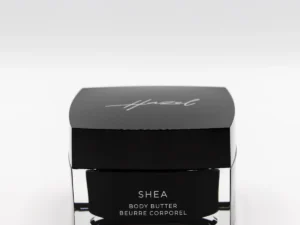
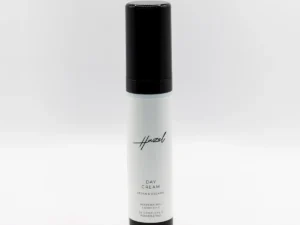
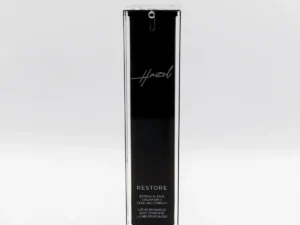
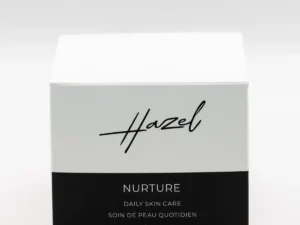
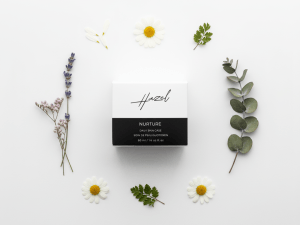
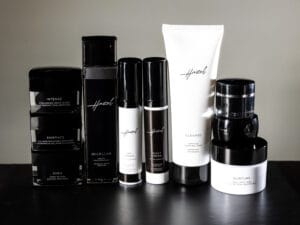
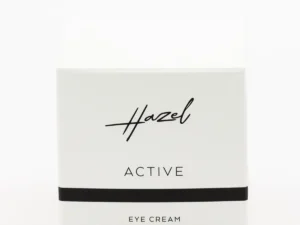
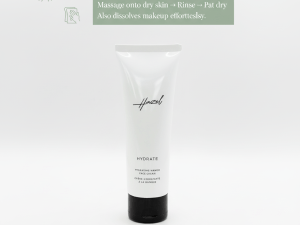
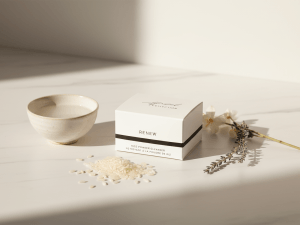
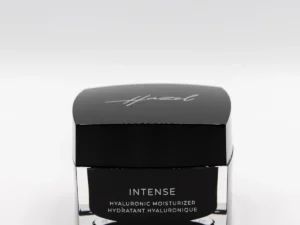
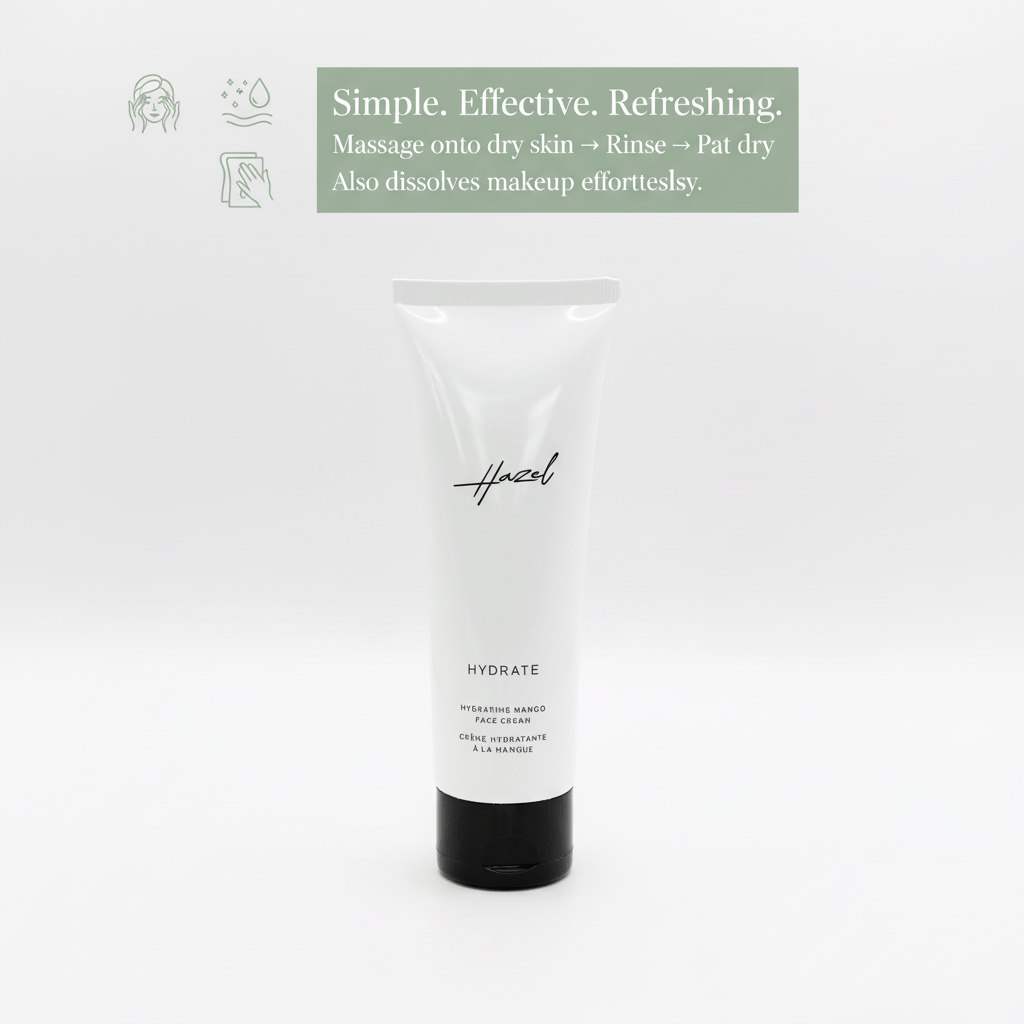
Hazel Collection Pro blends the best of all‑natural, vegan, and halal‑certified skincare—perfect for women who want clean beauty without compromise.
What Makes Hazel Collection Pro Different?
- Plant‑powered, gentle formulations
- Halal‑certified purity and ethical sourcing
- Vegan, cruelty‑free, and sensitive‑skin friendly
- Designed for clear, radiant, healthy skin
✨ Experience skincare that’s pure, ethical, and made for your glow.
Discover your new essentials at www.ubeeu.co.
References
Subri, N. A. M., Omar, W. M. W., & Ibrahim, N. M. (2022). Research trends and opportunities of halal cosmetics: A systematic literature review. International Journal of Academic Research in Business and Social Sciences, 12(1), 531–547.
Yaqub, A. (2024). The science behind halal certification for beauty products. The Halal Times.
Eng Kah. (2024). Beauty with belief: Exploring the need for halal cosmetics.
Rahim Naturals. (2024). Halal beauty & Islamic skincare guide.